Project Jigyaasa2.0
Curiosity · circuits · social impact.
A hands-on programme inspiring 11th-grade PU girl students in the science stream across Karnataka to pursue careers in engineering and technology
What is Jigyaasa?
Jigyaasa means curiosity. It is the IEEE CAS Bangalore Chapter’s hands-on technical outreach project for 11th-grade PU girl students in the science stream, reaching Bengaluru, Mysuru, Mangaluru and North Karnataka.
Each team pairs PU students with engineering students, a faculty advisor and an industry mentor. Together they design and build a working electronics prototype with social impact — turning the physics they learn in class into circuits they can hold, test and demonstrate.
The strongest projects are demonstrated live by the PU students themselves at IEEE WinTechCon 2026, the IEEE International Women in Technology Conference in Bengaluru.
Why Jigyaasa
Bridge theory and practice
Translate 11th-grade physics into practical circuit building — resistors, sensors and logic that students wire, test and understand.
Exposure to engineering
Connect PU students with engineering students, faculty and industry mentors, and show them first-hand what a career in engineering and technology looks like.
Leadership with impact
Give engineering students the chance to define, lead and deliver a project with real social impact — and to mentor the next generation.
Six members, four roles
Every Jigyaasa team brings together students, faculty and industry.
Build, test and present
Hands-on with the circuit, the prototype and, at the showcase, the live demo.
Define, mentor and drive
Plan the project, run the meetings, teach the circuit and prototyping basics, and drive execution.
Guide the team
Technical guidance and review from the engineering college.
Track and advise
A practising engineer from the chapter who tracks progress and advises on design choices.
Engineering students are the primary drivers of the programme: beyond planning the project, they set up the meetings with PU students, teach them circuit and prototype basics, and review progress with their faculty advisor and industry mentor.
From fundamentals to a working prototype
Circuit basics
Resistors, voltage dividers and the core principles behind every circuit.
Sensors
Sensing light, temperature and distance — and turning readings into action.
Logic of systems
Basic gates and how electronic systems make decisions.
Virtual design
Simulating the circuit in open-source tools before building it.
Projects are built on Arduino or ESP32 and kept at a level PU students can own — ideas such as water conservation, smart lighting and women’s safety.
Three phases, spark to showcase
A simple rhythm for choosing, building and demonstrating the project.
Spark
- Choose a project idea with social impact and review it with the faculty advisor and mentor
- Submit a one-page proposal: what, why, how, and what the prototype will show
- Proposal reviewed and approved by the Jigyaasa core team
- Procure the component kit (budget up to ₹5,000 per team)
Innovate & execute
- Break the project into steps and give PU students hands-on build tasks
- Team meets at least twice a week, online or in person
- Regular reviews with mentors and checkpoint meetings with the core team
- Test the prototype end to end and record a 10-minute demo video
Showcase
- Core team reviews every prototype video and presentation — judged on impact, build quality and clarity of the demo
- Selected projects notified by 5 November
- PU students rehearse the story: problem, solution, impact
- Live demos by PU students at IEEE WinTechCon, 18 – 19 November, with winners recognised on stage
Selected teams
| Team | Engineering college | PU college | Faculty advisor | Industry mentor |
|---|---|---|---|---|
| Team A Lalitha | Canara Engineering College | Viveka PU College, Kota | Dr. Ashwini Holla | Girish Aramanekoppa Subbarao |
| Team Kamala Sohonie | Sharnbasva University, Kalaburagi | Government PU College for Girls, Kalaburagi | Dr. Asharani Patil | Jayesh Tanwani |
| Team Kalpana Chawla | Sharnbasva University, Kalaburagi | Government PU College for Girls, Kalaburagi | Dr. Asharani Patil | Jayesh Tanwani |
| Team Rajeshwari Chatterjee | Ballari Institute of Technology & Management | Aakash Institute, Ballari | Dr. Abdul Lateef Haroon P S | Subhra Prakash Giri |
| Team Janaki Ammal | Ballari Institute of Technology & Management | Aakash Institute, Ballari | Dr. Abdul Lateef Haroon P S | Subhra Prakash Giri |
| Team Bibha Chowdhuri | BNM Institute of Technology | Aurobindo PU College, Rajajinagar | Dr. Keerthi Kulkarni | Prabhavathi P |
| Team Ritu Karidhal | RNS Institute of Technology | Government PU College, Yediyuru | Dr. Uma S V | Sriniketh S S |
| Team Dr Soumya Swaminathan | Canara Engineering College, Benjanapadavu | Government PU College, Benjanapadavu | Dr. Ashwini Holla | Kiran K R |
| Team Tessy Thomas | Canara Engineering College, Benjanapadavu | Government PU College, Benjanapadavu | Dr. Ashwini Holla | Parvathi Rachakonda |
Nine teams from different regions of Karnataka were selected. Each team is named after an Indian woman who advanced science and technology — meet them below.
Women who advanced science and technology
Every Jigyaasa 2.0 team carries the name of an Indian woman whose work in engineering, science or medicine opened doors for those who followed.
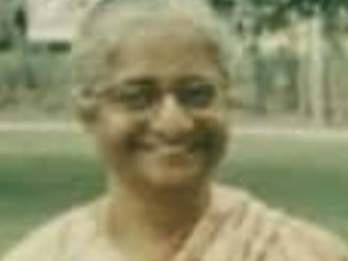
A. Lalitha
One of India’s first women engineers, she graduated in electrical engineering from the College of Engineering, Guindy, in 1943. She designed transmission lines and substations, worked on the electrical systems for the Bhakra Nangal dam, and represented India at the first International Conference of Women Engineers and Scientists in New York in 1964.
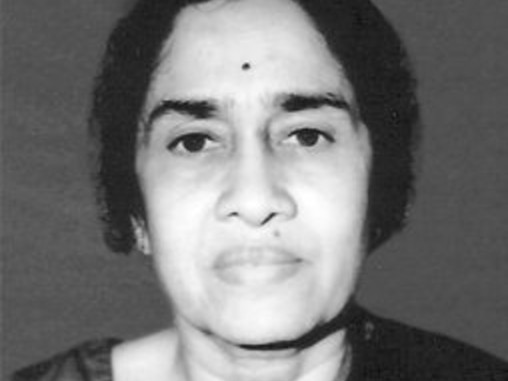
Kamala Sohonie
She fought her way in as the first woman research student at IISc Bengaluru and became the first Indian woman to earn a PhD in science (Cambridge, 1939), where she found the enzyme cytochrome C in plant cells. Her later research on the nutrition in neera and pulses improved diets for children and mothers, and she became the first woman director of the Institute of Science, Bombay.
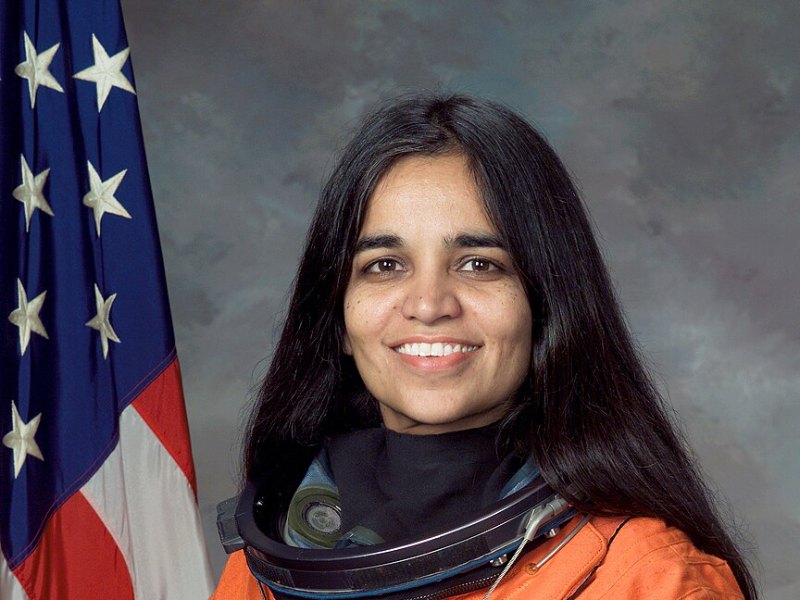
Kalpana Chawla
An aeronautical engineering graduate of Punjab Engineering College, she went on to a PhD and research in computational fluid dynamics at NASA. In 1997 she flew on STS-87 and became the first woman of Indian origin in space. She lost her life with the crew of Space Shuttle Columbia in 2003.
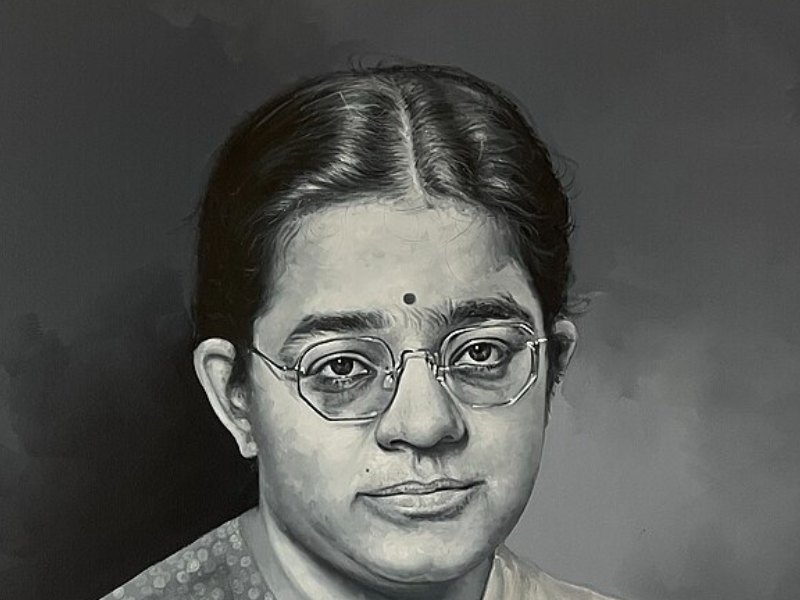
Rajeshwari Chatterjee
Karnataka’s first woman engineer. After a PhD at the University of Michigan she returned to IISc Bengaluru, where she built some of India’s earliest research in microwave engineering and antennas, chaired the Department of Electrical Communication Engineering, and wrote textbooks used by generations of engineers.
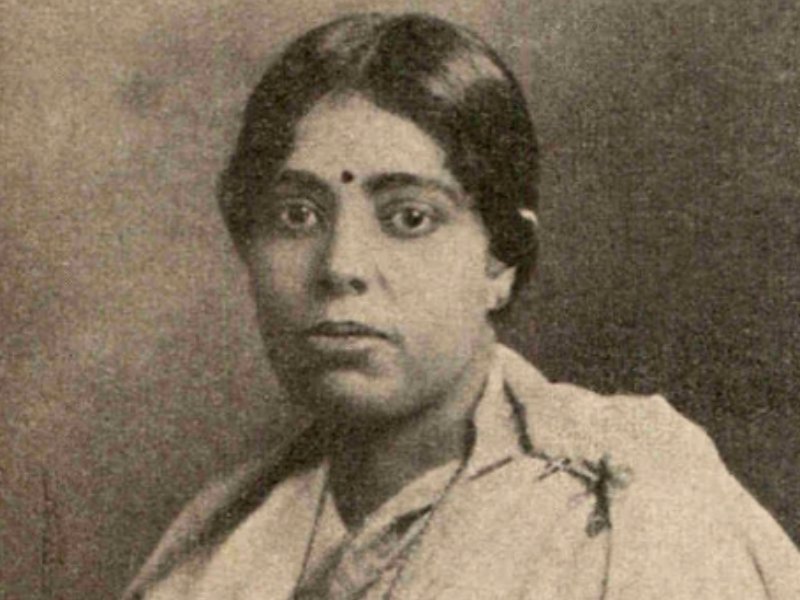
E. K. Janaki Ammal
A plant cytogeneticist who bred high-yielding sugarcane hybrids at the Sugarcane Breeding Institute, Coimbatore, helping India grow its own sweeter cane. She was invited to reorganise the Botanical Survey of India, championed the study of native plants, and received the Padma Shri in 1977.
Bibha Chowdhuri
Working with D. M. Bose in Kolkata from 1938, she used photographic plates to record tracks of mesons in cosmic rays — pioneering work for its time. She completed her PhD in Patrick Blackett’s cosmic-ray lab in Manchester and was the first woman researcher at TIFR. In 2019 the IAU named the star HD 86081 “Bibha” in her honour.
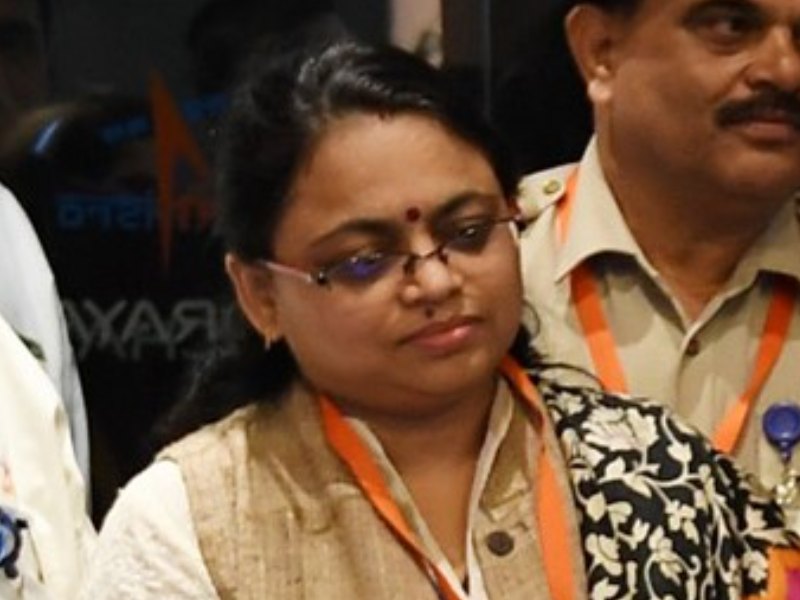
Ritu Karidhal
Known as the “Rocket Woman of India”, she studied aerospace engineering at IISc Bengaluru before joining ISRO. She was deputy operations director of the Mars Orbiter Mission (Mangalyaan) and mission director of Chandrayaan-2, India’s second mission to the Moon.
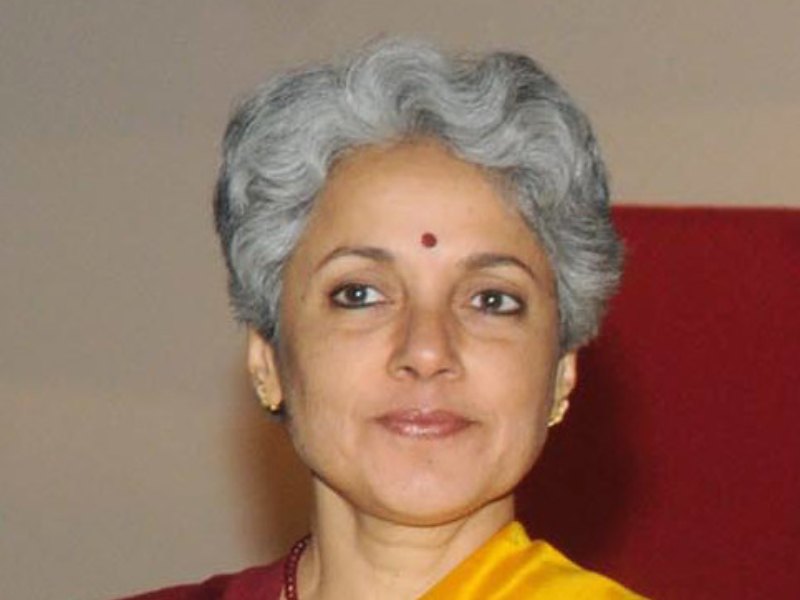
Dr Soumya Swaminathan
A paediatrician and clinical scientist whose research on tuberculosis and HIV shaped how they are treated in India. She led the Indian Council of Medical Research as Director General and became the World Health Organization’s first Chief Scientist (2019 – 2022), guiding the global science response to COVID-19.
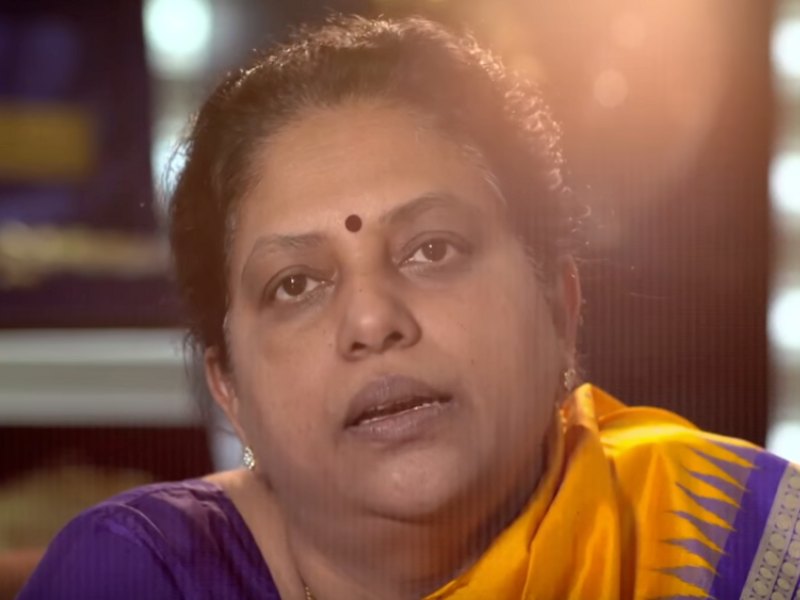
Tessy Thomas
India’s “Missile Woman” and the first woman to head a missile project in the country, as project director of Agni-IV at DRDO. An expert in guidance and control of long-range missiles, she later led DRDO’s aeronautical systems cluster as Director General.
Portraits (cropped): A. Lalitha (1964 photograph) and Kamala Sohonie (archival photograph) — via Wikipedia, used for non-commercial, educational purposes; rights remain with their owners. Via Wikimedia Commons: Kalpana Chawla — NASA, public domain · E. K. Janaki Ammal — public domain · Rajeshwari Chatterjee — oil painting by Rajasekharan Parameswaran, CC BY-SA 4.0 · Bibha Chowdhuri — public domain · Ritu Karidhal — Press Information Bureau, GODL-India · Dr Soumya Swaminathan — Ministry of Health and Family Welfare, GODL-India · Tessy Thomas — video still via Wikimedia Commons, CC BY-SA 3.0.
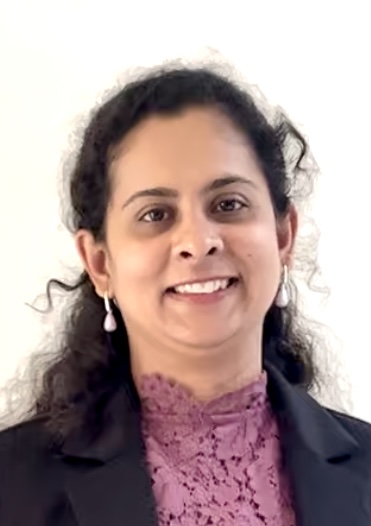
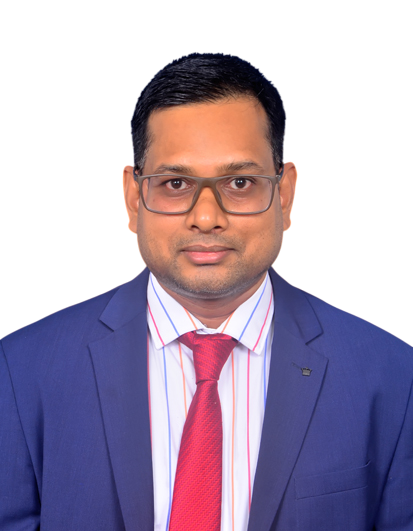
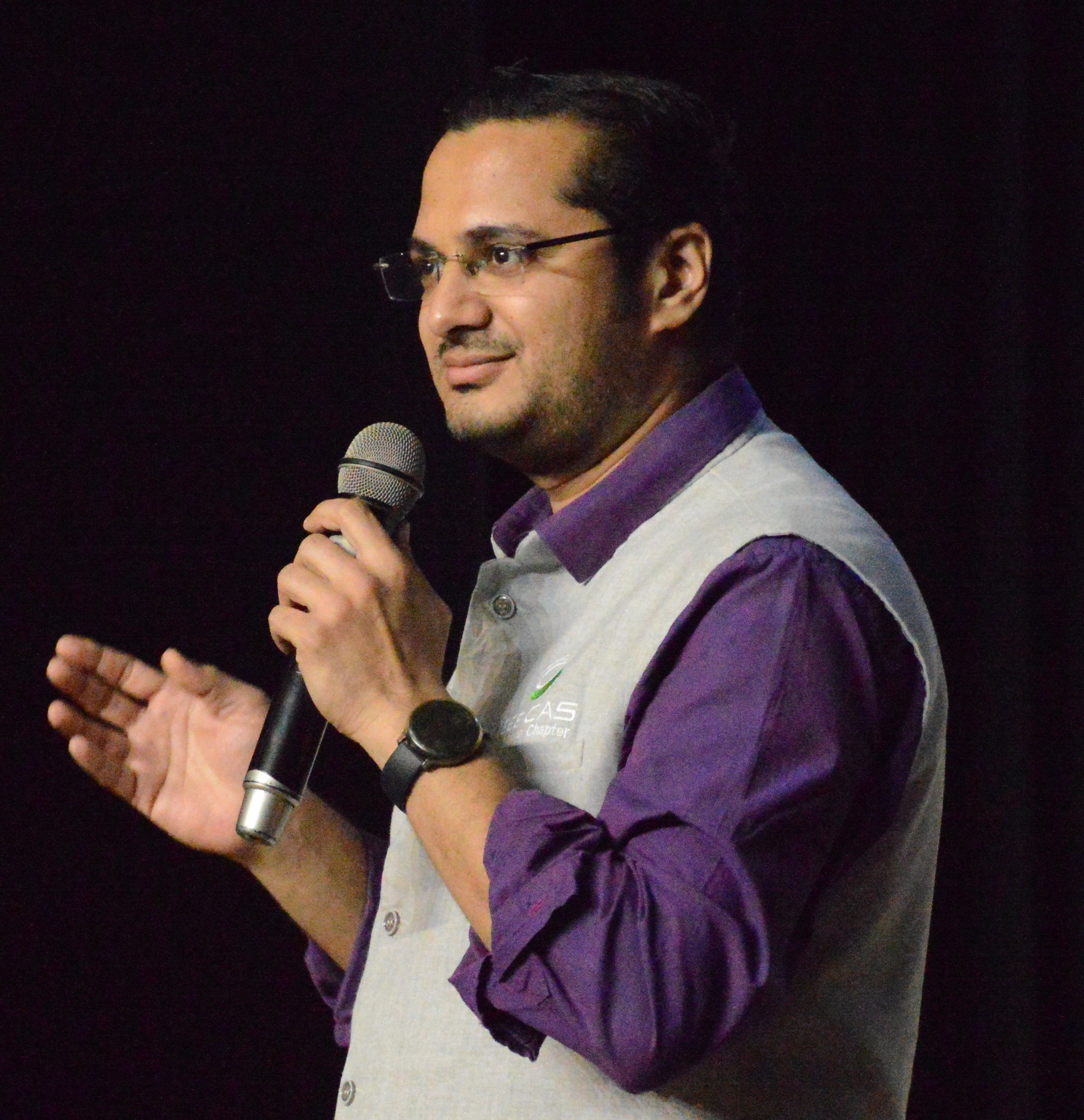
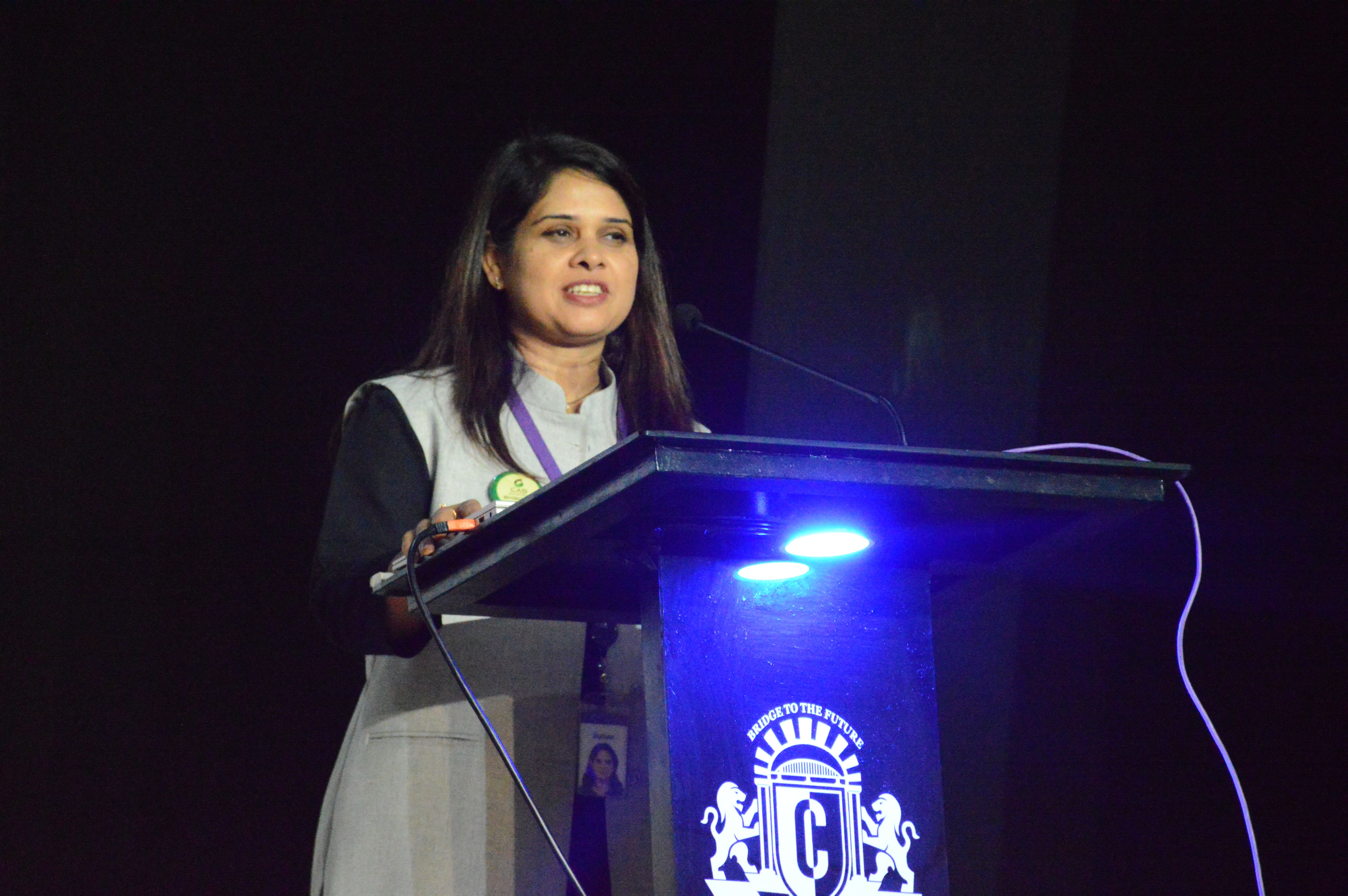
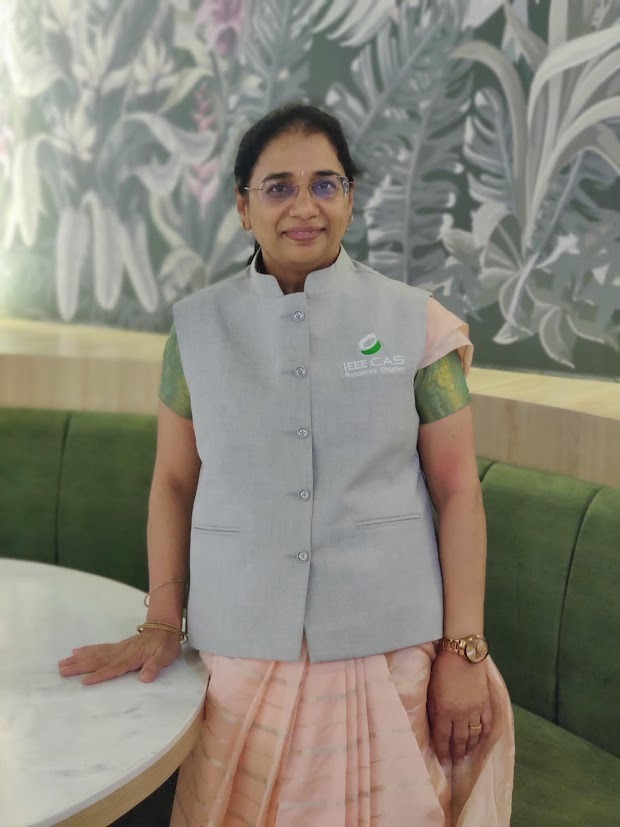
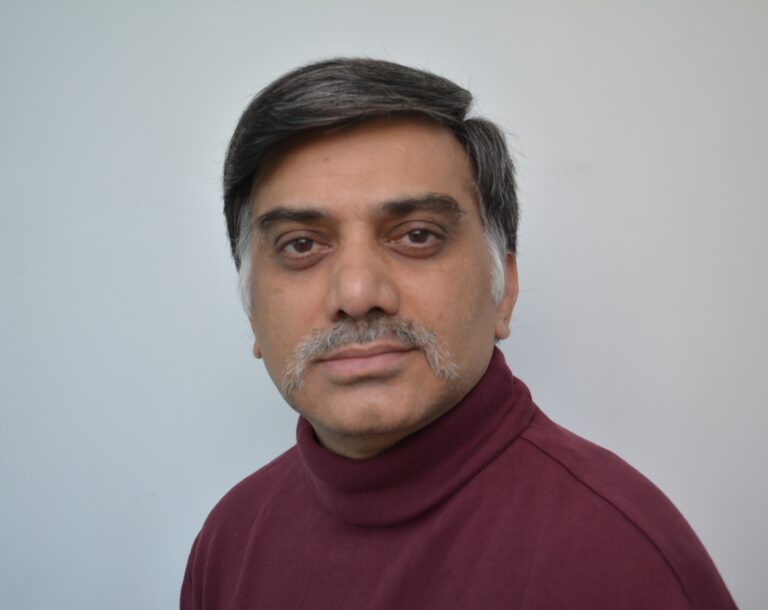
Organising committee
Live at IEEE WinTechCon 2026
Demos by PU students
Selected projects are demonstrated live by the PU students who built them, at the 7th IEEE International Women in Technology Conference — 18 – 19 November 2026, Radisson Blu, Marathahalli, Bengaluru.
Travel covered
Registration, travel and stay are covered for selected teams travelling from outside Bengaluru. Winners are recognised on stage.
Resources
Free Arduino tutorials
Step-by-step Arduino tutorials from the IEEE Solid-State Circuits Society — a good starting point for PU students.
Questions
Teams should route questions through their faculty advisor and industry mentor. For anything else, write to the chapter.
Curiosity is where engineering begins
Jigyaasa 2.0 — PU students, engineering students, faculty and industry building circuits with social impact across Karnataka.